
Choosing where to stay can make or break your sports vacation. The right accommodation doesn’t just provide a bed—it shapes your entire experience, from how quickly you access the slopes or waves to how well you recover between sessions. Whether you’re planning a ski trip, a surf camp, a cycling tour, or a wilderness camping adventure, your lodging choice affects your performance, comfort, and budget in ways that aren’t always obvious at first glance.
This landscape has grown remarkably complex. Beyond traditional hotels, today’s active travelers navigate premium ski chalets with concierge services, beachfront surf camps with gear storage, eco-certified mountain lodges, all-inclusive sports packages, and everything from glamping to backcountry camping. Each option comes with distinct trade-offs between convenience, cost, authenticity, and performance support. Understanding these nuances helps you match your accommodation to your specific sport, skill level, and priorities.
Different sports create different accommodation needs, and recognizing these requirements upfront prevents costly mismatches. The infrastructure that supports a ski vacation looks nothing like what serves a surf trip or a cycling tour.
Winter sports accommodations present a unique challenge: you’re carrying bulky equipment in cold conditions, often with limited daylight. The ski-in/ski-out versus village center debate exemplifies this perfectly. Ski-in/ski-out properties let you click into your bindings at your door, eliminating bus schedules and crowded shuttle rides. This convenience becomes invaluable during peak season or when traveling with children. However, village center locations typically offer better dining variety, nightlife, and lower costs.
One often-overlooked feature is boot heater availability. Sliding into frozen boots at 8 AM can ruin your first runs and reduce circulation in your feet all day. Properties with dedicated boot rooms maintain your gear at optimal temperature and dryness. For groups, premium services like private drivers and on-call chefs transform logistics from a daily headache into seamless support, particularly valuable when coordinating different skill levels or managing recovery between intensive training sessions.
Coastal accommodations for surfing, kiteboarding, or diving require different considerations. Board storage facilities protect expensive equipment from theft and sun damage while keeping sand out of your room. The availability of secure, ventilated storage for boards, wetsuits, and kites should be non-negotiable, yet many properties advertise “surf-friendly” without providing adequate facilities.
Location marketing can be deceptive. “Near the beach” might mean a 20-minute walk carrying a longboard, while “ocean view” could overlook a marina rather than surfable waves. More important is tide visibility from your accommodation—the ability to check conditions without leaving your room helps you catch optimal windows, especially for tidal breaks. Properties catering to both water sports and relaxation succeed when they offer distinct zones: active gear areas separate from quiet spaces where non-surfing partners can enjoy their own schedules.
The distance between your bed and your activity isn’t just about time—it’s about energy management, spontaneity, and the rhythm of your day. Location decisions ripple through your entire experience in ways that aren’t apparent when browsing photos online.
Immediate access to your sport means you can maximize prime conditions. Early morning glass-off for surfing, first tracks on fresh powder, or dawn wildlife watching become realistic when you’re already there. This proximity also enables multiple sessions per day with proper rest between efforts, crucial for skill development and performance training.
However, centralized locations offer diversity. Village centers provide restaurant options that support performance diets—finding high-protein breakfasts, complex carbohydrates, and fresh vegetables becomes easier than relying on a single on-site kitchen. They also solve the “non-participant problem”: partners or family members who don’t share your sport need their own activities, shops, and entertainment within reasonable distance.
Booking timing significantly impacts your location choices during peak seasons. Properties closest to ski lifts or premium surf breaks get reserved months in advance. Understanding booking windows for your target season—often 6-12 months ahead for prime dates—expands your options considerably. Last-minute bookers frequently face a choice between distant bargains or expensive remaining inventory.
All-inclusive sports packages promise simplicity: one price covers accommodation, equipment, instruction, and meals. But the cost-benefit ratio of bundled sports vacations varies dramatically based on what’s actually included and whether those inclusions match your needs.
Start by calculating the real cost of equipment rental. A week-long ski package might include “free” equipment worth $200 if purchased separately, but if you own your gear, you’re subsidizing others without receiving equivalent value. Similarly, included coaching varies wildly in quality—a 2:1 student-teacher ratio with certified instructors differs fundamentally from group sessions with junior staff, even if both are labeled “daily coaching.”
The à la carte versus bundled activities decision depends on your experience level and interests. Beginners typically benefit from packages: you need instruction, gear, and guidance, and bundled pricing often delivers savings of 20-30%. Advanced athletes may find packages restrictive—you don’t need beginner coaching, you want specific equipment, and you prefer flexibility in scheduling.
Single supplement fees represent a significant trap in sports packages. These charges—often 40-80% of the per-person rate—penalize solo travelers supposedly to compensate for “lost” double occupancy revenue. Yet many sports attract solo travelers seeking instruction or community. Properties genuinely welcoming individuals offer shared accommodation matching or minimal surcharges.
Examine dining options carefully within packages. All-inclusive sounds comprehensive until you discover the included meals are buffet-style with limited options for athletes following specific nutrition protocols. Boutique properties with à la carte dining often provide higher quality ingredients and customization, particularly valuable for those requiring high-calorie, nutrient-dense meals to fuel intensive training.
Eco-accommodations have proliferated rapidly, but “eco-friendly” appears on everything from genuinely sustainable lodges to conventional properties with recycling bins. Evaluating the true environmental commitment of eco-accommodations requires looking past marketing language to actual systems and measurable impacts.
Claims of energy independence deserve scrutiny. Does the property generate renewable energy on-site through solar panels or micro-hydro, or does it purchase renewable energy credits while running on conventional grid power? On-site generation demonstrates deeper commitment and typically includes battery storage for reliability. Check whether backup generators exist and how frequently they run—frequent diesel backup undermines renewable claims.
Water management systems reveal significant environmental differences. Properties in water-stressed areas should demonstrate greywater recycling, rainwater harvesting, and low-flow fixtures throughout. Advanced systems treat wastewater on-site through natural processes like constructed wetlands. Ask about daily water consumption per guest—sustainable properties typically use 40-60% less water than conventional hotels through comprehensive management rather than just asking guests to reuse towels.
The new build versus renovation question matters for environmental impact. New construction in pristine areas, even if built with “green” materials, still destroys habitat and requires resource-intensive materials. Renovations of existing structures, particularly those using local materials and traditional techniques, generally carry lower environmental footprints. However, deep energy retrofits of old buildings can sometimes justify renovation over maintaining inefficient structures.
Organic food sourcing sounds universally positive until you discover imported organic produce shipped thousands of miles. Truly sustainable dining emphasizes local and seasonal over certified organic imports. Community engagement indicators include local employment percentages, profit-sharing arrangements, support for local schools or infrastructure, and whether the property sources goods and services regionally. These factors distinguish operations genuinely integrated with their communities from extractive tourism models.
Camping represents the far end of the accommodation spectrum, trading amenities for immersion, cost savings, and connection with outdoor environments. Yet camping for sports purposes differs significantly from recreational camping—your shelter becomes your recovery station, your kitchen fuels your performance, and your sleep quality directly impacts next-day abilities.
Balancing comfort with wilderness connection defines the camping experience. Too much comfort—excessive gear, large RVs, portable generators—insulates you from the environment you came to experience. Too little leads to poor sleep, inadequate nutrition, and degraded performance. The science of sleep systems matters enormously when you’re exerting yourself daily. Your sleeping pad’s R-value (insulation rating), bag temperature rating, and tent ventilation affect sleep quality more than most people realize. Cold, condensation-soaked mornings drain energy before you’ve started your activity.
Glamping versus traditional camping isn’t simply luxury versus roughing it. Glamping setups—permanent tents with real beds, often with en-suite facilities—work well for multi-day cycling tours or climbing trips where you’re physically depleted and need genuine recovery. Traditional camping suits shorter trips, more remote locations, or when minimal environmental impact takes priority. Some hybrid approaches, like comfortable sleeping systems with simplified kitchens, optimize recovery while maintaining authentic outdoor experiences.
Pitch selection dramatically affects your camping experience, yet it’s commonly rushed. Evaluate these factors systematically:
Setting up a functional camp kitchen for sports nutrition requires more planning than casual camping. You need reliable heat sources for complex carbohydrates, protein preparation, and hydration. Two-burner stoves enable simultaneous cooking, critical when preparing high-calorie meals efficiently. Food storage must prevent wildlife encounters while keeping nutrition accessible—bear canisters, tree hangs, or vehicle storage depending on location and regulations.
Managing hygiene without facilities challenges many campers. Biodegradable soap, proper greywater disposal at least 200 feet from water sources, and established bathroom protocols maintain health and environmental standards. For multi-day trips, portable solar showers and designated washing areas prevent contamination while supporting basic cleanliness necessary for skin health during athletic activities.
Remote countryside locations increasingly attract athletes and active individuals seeking recovery-focused stays that complement their training. These accommodations emphasize disconnecting from digital noise to enable biological and psychological reset, but they require different evaluation criteria than performance-focused properties.
The biological reset of circadian rhythms happens when you align your schedule with natural light cycles, eliminated artificial blue light exposure, and reduce decision fatigue. Remote properties supporting this reset provide real value beyond simple relaxation. Look for environments with minimal light pollution where sunset actually triggers melatonin production, and morning light naturally regulates wake times. This biological alignment improves sleep quality more effectively than any supplement.
However, the disconnect must be genuine. Bringing a mobile hotspot to a digital detox retreat—an error more common than properties admit—undermines the entire purpose. True disconnection means unreliable or absent connectivity, which sounds problematic until you experience the mental clarity that emerges after 48-72 hours offline. Properties should support this by offering alternative evening activities, reading materials, and social spaces that replace scrolling time.
Farm-to-table versus supermarket sourcing impacts more than just environmental footprint at wellness retreats. Fresh, locally grown produce provides higher nutrient density—vegetables picked that morning contain more vitamins than those transported for days. Properties with on-site gardens or direct farmer relationships can offer genuinely fresh ingredients, which you’ll notice in flavor and how you feel.
Activity structure at these retreats varies between active silence and guided meditation approaches. Active silence—optional gentle yoga, hiking, or stretching without instruction—suits experienced athletes who know their bodies and prefer autonomous recovery. Guided programs provide structure helpful for those unfamiliar with mindfulness practices or needing accountability. Neither approach is inherently superior; matching the structure to your personality and experience determines value.
Navigating rural access roads to reach remote properties requires preparation. Unpaved roads may need high-clearance vehicles, seasonal access might close during certain months, and GPS coordinates often prove more reliable than addresses. Properties should provide detailed access instructions including road conditions, seasonal concerns, and vehicle requirements. This practical information prevents stressful arrivals after long travel days.
Choosing the right accommodation for your sports and leisure activities ultimately depends on understanding your priorities—performance support, cost efficiency, environmental values, or recovery needs—then evaluating properties based on concrete criteria rather than marketing language. The accommodation you select shapes not just where you sleep, but how well you perform, how deeply you recover, and how memorable your experience becomes.
The all-inclusive sports resort market has evolved dramatically over the past decade, transforming from simple beach clubs with tennis courts into sophisticated athletic retreats that rival specialist training facilities. With global wellness tourism projected to reach $1.3 trillion by 2025,…
Read moreFinding the perfect nature campsite requires striking a delicate balance between modern convenience and genuine wilderness immersion. The UK’s diverse landscape offers countless camping opportunities, from sheltered woodland clearings to exposed moorland pitches, yet selecting the right site demands careful…
Read more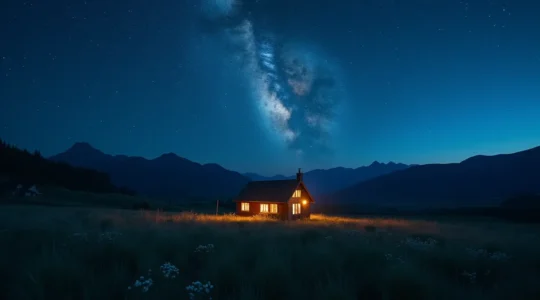
A successful rural retreat is not a passive escape, but an active protocol to recalibrate your biology. Absolute, uninterrupted darkness for at least three nights is non-negotiable to reset melatonin production. True disconnection requires a pre-planned “digital airlock” and firm…
Read more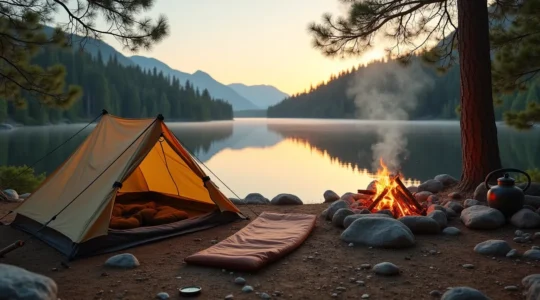
Contrary to popular belief, a truly comfortable camping trip isn’t about buying more expensive gear—it’s about applying a few key principles of environmental engineering. Your warmth depends more on your sleeping pad’s R-value (ground insulation) than your sleeping bag’s price…
Read more
An all-inclusive sports resort’s value is not a feeling; it’s a calculable number based on your specific usage and verified quality. Hidden costs, such as gear transport and single traveler penalties, can quickly erase the perceived savings of a package…
Read more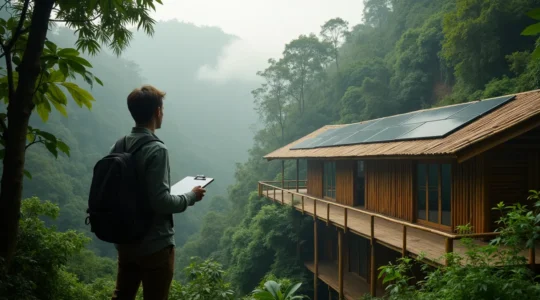
The ultimate test of a sustainable lodge isn’t its marketing claims, but its operational reality—a reality you can audit by asking the right, incisive questions. Energy is non-negotiable: A lodge’s reliance on diesel generators reveals its true commitment, regardless of…
Read more
The key to a successful surf-and-relax trip lies in verifying small operational details that marketing materials often obscure. True “beachfront” with a wave view is non-negotiable for surfers, while “adults-only” zones and multi-hour spa circuits are vital for relaxers. All-inclusive…
Read more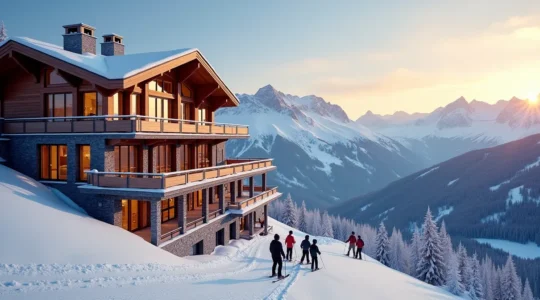
A fully-serviced luxury chalet functions as a high-performance operational base that manufactures time, transforming the group organizer from a stressed coordinator into an active participant. The true value lies not in opulence, but in an integrated service ecosystem (driver, chef,…
Read more