
The world of active sports and adventure travel has evolved far beyond simple weekend getaways. Today’s enthusiasts seek experiences that challenge their limits, develop new skills, and create lasting memories in stunning natural environments. Whether you’re drawn to alpine expeditions, wind-powered sports, or curated active retreats, the intersection of physical preparation, safety knowledge, and smart planning determines the quality of your experience.
This comprehensive resource connects the dots between physical training, environmental awareness, equipment decisions, coaching methodologies, and travel logistics. From understanding how altitude affects your decision-making to choosing the right accommodation for a group retreat, each topic builds toward a holistic approach to active pursuits. The goal is simple: equip you with the knowledge to pursue your passions safely, effectively, and with confidence.
Adventure sports demand respect for both the environment and your own limitations. The mountains, oceans, and skies where these activities unfold operate by unforgiving rules, making knowledge and preparation non-negotiable elements of participation.
High-altitude environments present unique challenges that extend beyond physical fitness. Altitude affects cognitive function, reducing your ability to make sound decisions precisely when those decisions matter most. Research shows that judgment deteriorates progressively above 2,500 meters, impacting risk assessment and problem-solving abilities.
Weather literacy becomes your first line of defense. Reading cloud formations, recognizing pressure changes, and interpreting wind patterns allow you to anticipate dangerous conditions before they materialize. A lenticular cloud system, for instance, signals strong winds at altitude that may not yet be felt at base level. Similarly, understanding the dangers inherent in scree slopes and loose rock prevents accidents that often stem from misplaced confidence rather than technical difficulty.
Emergency signaling knowledge transforms potential disasters into manageable situations. Carrying appropriate devices—from personal locator beacons to signal mirrors—means nothing without understanding protocols for their use and the realistic timelines for rescue in remote areas.
The debate between hard shell and soft shell jackets for alpine conditions illustrates a broader principle: gear choices must match specific environmental demands rather than following trends. Hard shells excel in sustained precipitation and wind, creating an impermeable barrier. Soft shells offer superior breathability during high-output activities in dry conditions. Many experienced alpinists carry both, layering strategically based on forecasts and activity intensity.
Equipment reliability stems from routine maintenance, not purchase price. Developing a pre-session gear check ritual catches issues before they become failures. For wind sports enthusiasts, this means inspecting line wear, valve integrity, and connection points. For mountaineers, it involves checking harness stitching, crampon attachment systems, and headlamp battery levels.
Kitesurfing and similar disciplines demand technical skill, environmental awareness, and mental commitment. The choice between C-kites and bow kites directly impacts your progression trajectory. C-kites provide direct feedback and explosive power, teaching precise control but offering limited depower range. Bow kites forgive mistakes through their wider wind range and easier relaunch characteristics, making them ideal for building confidence.
The mindset of commitment in big air separates cautious participants from progressing athletes. This doesn’t mean recklessness—it means calculated decisions executed with full conviction. Half-committed movements in aerial maneuvers lead to awkward landings and injury. Understanding wind gusts and lulls allows you to time tricks for optimal conditions rather than fighting unpredictable forces.
Core strength remains the most commonly neglected element among intermediate wind sports athletes. Your core connects upper and lower body movements, stabilizes your position against powerful forces, and prevents injury during hard landings. Dedicated core training translates directly to board control and reduces fatigue during long sessions.
Generic fitness contributes to general health, but specific sports demand targeted physical preparation. The gap between recreational participation and genuine competence often narrows through intelligent training rather than simply accumulating activity hours.
Elite athletes develop their capabilities through structured progression, and these methodologies scale effectively for amateur improvement. Eccentric loading for deceleration exemplifies this principle. Downhill hiking, skiing, and mountain biking stress muscles during lengthening contractions, causing significant soreness and injury risk if unprepared. Training eccentric strength through controlled lowering movements, decline walking, or negative-emphasis squats prepares tissues for these demands.
The step-ups versus squats debate for hiking preparation reveals how movement specificity matters. While both build leg strength, step-ups more closely mimic the unilateral loading and balance demands of ascending trails. Incorporating loaded pack training before your trip allows your body to adapt to carrying weight, strengthening stabilizer muscles and revealing equipment issues during low-stakes training sessions rather than day three of a backcountry trek.
Ankle mobility frequently determines performance ceilings in mountain sports. Restricted dorsiflexion limits your ability to load through a full range of motion, forcing compensations that stress knees and hips. Simple assessments—can you touch your knee to a wall while keeping your heel down, with toes four inches back?—reveal limitations worth addressing through targeted mobility work.
Tapering before major trips remains widely misunderstood. Many athletes maintain high training volumes until departure, arriving fatigued rather than peaked. A proper taper reduces volume by 40-60% while maintaining intensity, allowing accumulated fatigue to dissipate while preserving fitness. For a week-long adventure, begin tapering 5-7 days prior.
Travel disrupts training routines, but strategic approaches minimize regression. Hotel room workouts requiring zero equipment maintain strength and conditioning when facilities aren’t available. Bodyweight circuits combining push-up variations, split squats, planks, and mobility work preserve muscle activation patterns and movement quality.
Resistance bands offer maximum training versatility per ounce carried. A single set of loop bands enables dozens of exercises targeting all major muscle groups. The packing strategy matters: placing bands in your carry-on prevents training interruptions from checked luggage delays.
Training timing—morning versus evening sessions while traveling—depends on your schedule and circadian rhythm disruption. Morning sessions often work best, completed before daily activities create fatigue or schedule conflicts. However, crossing multiple time zones may temporarily favor evening work when your body feels more alert.
Protein intake commonly suffers during travel, particularly in remote or resort settings where meal timing and composition aren’t fully controlled. Packing portable protein sources—whether powder, bars, or shelf-stable options—prevents the muscle breakdown that accompanies training without adequate recovery nutrition. This small investment in planning yields disproportionate results in maintaining your physical condition.
Outstanding active adventures emerge from thoughtful planning rather than luck. Understanding logistical considerations allows you to focus energy on experiences rather than problem-solving preventable issues.
Bespoke active retreats for private groups require balancing diverse skill levels, interests, and social dynamics. The villa versus hotel suite decision fundamentally shapes group interaction. Villas foster intimacy and shared experiences through common spaces and collective meal preparation, but demand more coordination. Hotel suites offer individual privacy and professional services, reducing organizational burden while potentially limiting spontaneous group bonding.
Equipment storage logistics often receive insufficient attention during planning. Wet wetsuits, muddy mountain bikes, and ski gear require dedicated drying and storage space. Villa configurations should include adequate facilities for gear maintenance, or you’ll face daily chaos and equipment degradation. Similarly, underestimating catering needs creates tension and distraction. Active participants require substantially more calories than sedentary vacationers—plan food quantities accordingly, and consider dietary restrictions during initial planning rather than as last-minute accommodations.
Hiring private wellness staff—whether massage therapists, yoga instructors, or recovery specialists—transforms good retreats into exceptional ones. Professional recovery support enhances performance, prevents injury, and elevates the overall experience. Vetting these providers requires checking certifications, reading reviews, and conducting brief interviews about their experience with athletic populations.
Outsourcing logistical complexity to competent services liberates time and mental energy for actual experiences. Managing complex luggage transfers between locations, particularly with bulky sports equipment, often justifies professional handling. The cost becomes negligible when measured against stress reduction and time saved.
Accessing sold-out experiences frequently requires local knowledge and connections. Professional concierge services, whether human-based or app-mediated, excel in different domains. Human concierges leverage relationships and exercise creative problem-solving, securing reservations and access that aren’t publicly available. Apps offer transparency and convenience but lack flexibility for unusual requests. The optimal approach often combines both, using apps for straightforward bookings while reserving human expertise for complex or time-sensitive needs.
Vetting private guides locally demands different criteria than booking through established operators. Request certifications relevant to the specific activity, ask about their emergency protocols, and seek references from previous clients with similar skill levels. A guide’s local knowledge and enthusiasm matter, but qualifications and safety consciousness matter more.
The mistake of vague requests plagues many service interactions. Specificity yields better results: “We need transportation for six adults with mountain bikes from the airport to Villa Montaña on June 15, arriving at 2 PM” produces appropriate solutions. “We need a ride” generates confusion and disappointment.
Specialized sports coaching during vacations offers developmental benefits that extend far beyond the immediate activity. Quality instruction accelerates skill acquisition, builds confidence, and often sparks long-term passion for new pursuits.
The concept of “failure” in a safe environment represents one of coaching’s most valuable offerings. Attempting challenging skills under expert supervision, with appropriate safety measures and immediate feedback, allows risk-taking that builds both competence and resilience. This protected space for experimentation rarely exists in self-directed practice, where consequences and lack of feedback limit progression.
Identifying quality coaching styles requires understanding different pedagogical approaches. Some coaches excel at technical breakdown and systematic skill building. Others inspire through enthusiasm and psychological support. The best coaching matches the learner’s needs—analytical students thrive with detailed technical instruction, while intuitive learners may progress faster through demonstration and experimentation.
Private versus group lessons for children involves trade-offs beyond simply cost. Private instruction provides individualized attention and pacing but misses social learning opportunities. Group settings teach cooperation, healthy competition, and social skills while potentially slowing technical progression. Many parents find hybrid approaches optimal: private lessons for foundational skills, followed by groups for social development and application.
The error of pushing too hard during coaching sessions, particularly with children, creates negative associations that may last years. Quality coaches recognize fatigue, frustration, and declining engagement, ending sessions before these cross into aversion. Skills transfer to daily life when the experience remains positive and confidence-building.
Bundled offers promise convenience and savings but require careful evaluation to extract genuine value while avoiding traps. Understanding what you’re actually purchasing separates smart decisions from expensive regrets.
Fine print scrutiny reveals hidden restrictions that fundamentally alter package value. Blackout dates, advance booking requirements, equipment limitations, and transferability restrictions commonly appear in footnotes. A “comprehensive” kitesurfing package might exclude equipment insurance, limit lesson scheduling, or restrict gear selection. Reading terms before purchasing prevents discovering limitations when it’s too late to choose differently.
Insurance coverage comparisons require looking beyond simple descriptions. Trip insurance, equipment coverage, and medical evacuation protection vary enormously in actual benefits. Maximum payout limits, deductibles, excluded activities, and claim procedures determine real value. Adventure sports often fall under excluded categories in standard policies, requiring specialized coverage that specifically includes your planned activities.
Early bird versus last-minute packages present different risk-reward profiles. Early booking secures preferred dates and often includes modest discounts, but locks you into plans that may need to change. Last-minute deals offer substantial savings but sacrifice choice and may not materialize for popular destinations or peak seasons. Your tolerance for uncertainty and schedule flexibility should guide this decision.
Non-transferable vouchers represent a common value trap. Attractive pricing becomes irrelevant if you can’t use the service and can’t recoup value through transfer or resale. Prioritize flexibility, particularly for activities dependent on weather, physical condition, or skill level that might require rescheduling.
Identifying white-labeled providers prevents paying premium prices for commodity services. Many “exclusive” retreat operators, guide services, and training programs actually subcontract to the same underlying providers. Researching who actually delivers the service often reveals opportunities to book directly at lower cost with identical quality.
Vetting trainers abroad requires verifying credentials through international certifying bodies, not simply trusting presented certificates. Language barriers, cultural differences in coaching approaches, and varying qualification standards make thorough research essential. Video consultations before committing allow assessment of communication style and technical knowledge.
The active sports and adventure travel landscape rewards those who invest time in learning fundamental principles across safety, preparation, planning, and decision-making. Each component connects to others—physical preparation enables safe risk-taking, equipment knowledge supports performance, smart planning maximizes experience quality, and continuous skill development deepens engagement. Whether you’re taking your first steps into mountain environments or refining advanced techniques in wind sports, this foundation supports progression at every level.

In summary: Downhill knee pain is a braking problem, not a strength problem. Your training must focus on controlled eccentric strength. Ankle mobility is non-negotiable. If your ankles can’t move, your knees are forced to absorb dangerous impact forces. Training…
Read more
In summary: Maintaining muscle on the road requires targeted intensity and strategic nutrition, not hours in a gym. A minimal toolkit of three resistance bands can effectively replicate a full-body gym workout. Timing your workouts (morning when traveling east, afternoon…
Read more
The choice between a package deal and a DIY trip isn’t about convenience versus flexibility; it’s a calculated financial risk based on hidden economic levers. Bundles often conceal costly fare class downgrades and restrictive blackout dates that erode value. DIY…
Read more
A luxury concierge’s true value isn’t just saving time; it’s maximizing your experiential return on investment by architecting a frictionless journey. They leverage deep “relationship capital” to secure access where algorithms fail. They act as logistical firewalls, proactively managing risks…
Read more
Vacation sports coaching is not about creating elite athletes; it is a powerful, focused strategy for building deep, transferable confidence in your child. It establishes a safe environment to practice resilience through structured failure, teaching children to recover from setbacks….
Read more
A luxury villa’s value for an active retreat is not in its opulence, but in its potential to become a frictionless operational hub. Seamless logistics, from dedicated gear rooms to private transport, save hours of valuable activity time each day….
Read more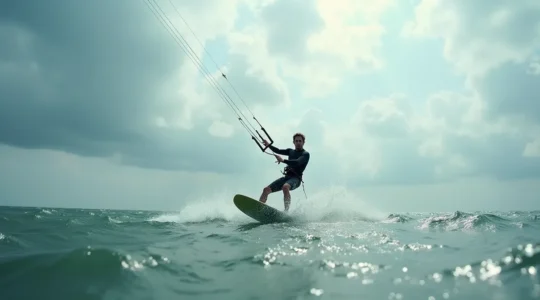
The key to unlocking pro-level performance isn’t raw talent, but adopting a systematic approach to de-risking every aspect of your riding. Pros use cognitive rehearsal to eliminate hesitation, tactile inspection to pre-empt gear failure, and targeted physiology to build an…
Read more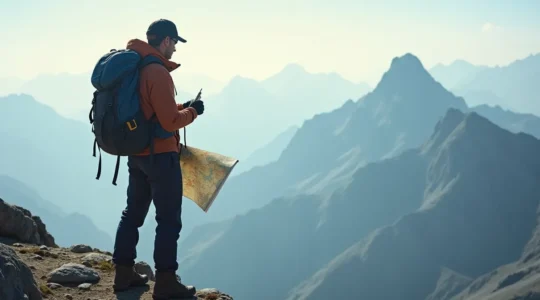
Safe, unguided alpine travel depends less on the gear you carry and more on your ability to accurately interpret the mountain’s subtle feedback and exercise disciplined judgment. Recognize cognitive decline from hypoxia before it leads to critical errors by using…
Read more