
Traditional vacations often leave physically active individuals feeling restless and unfulfilled. The concept of active travel has emerged as a powerful alternative, merging the enrichment of cultural exploration with the vitality of movement and sport. Whether you’re a runner seeking coastal trails, a surfer chasing perfect waves, or a trekker drawn to mountain peaks, this approach transforms how you experience destinations.
Active travel isn’t simply about adding a morning jog to your sightseeing schedule. It represents a fundamental shift in how you design trips, select locations, and interact with environments. This comprehensive resource examines the core principles of planning movement-centered journeys, navigating environment-specific challenges, and avoiding common mistakes that can derail even well-intentioned itineraries.
Active travel prioritizes physical engagement with your surroundings rather than passive observation. Instead of viewing landscapes through bus windows, you experience terrain directly through hiking, cycling, surfing, climbing, or running. This approach offers profound benefits beyond fitness maintenance during trips.
Research into environmental psychology reveals that movement-based exploration creates stronger memory formation and deeper emotional connections to places. The kinesthetic learning that occurs when you navigate trails, read wave patterns, or climb mountain passes engages multiple sensory pathways simultaneously. Traditional sightseeing often leaves active individuals feeling lethargic because it conflicts with their body’s established rhythms and energy expenditure patterns.
Active travel also opens access to locations and perspectives impossible to reach through conventional tourism. Remote villages, hidden surf breaks, mountain ridges, and wildlife corridors become available when physical capability serves as your passport. The challenge lies in planning these experiences thoughtfully rather than simply overloading your schedule with activities.
Creating an effective active travel itinerary requires intentional design rather than simply adding workouts to a standard tourist schedule. The methodology centers on treating physical activity as the primary framework, then integrating cultural experiences that complement rather than compete with your energy levels.
Morning hours typically offer optimal conditions for intensive physical activities. Cooler temperatures, clearer light, and fewer crowds make dawn ideal for trail running, surf sessions, or mountain ascents. Reserve mid-day periods for museums, historical sites, or cultural immersion that provides recovery while maintaining engagement. This rhythm respects your body’s natural cortisol patterns and prevents the fatigue that comes from fighting against biological timing.
The most rewarding active routes deliver both scenic and historical significance. A coastal run becomes infinitely more engaging when it passes archaeological sites or traditional fishing villages. Mountain bike trails gain depth when they follow ancient trade routes. Research destination history before finalizing routes, identifying points of cultural interest that align naturally with your planned physical path rather than requiring detours.
One critical mistake involves cramming too many activities into limited timeframes. Common symptoms include:
A well-designed itinerary includes buffer days and alternative plans for varying conditions or energy levels.
Destination selection represents perhaps the most consequential decision in active travel planning. The romance of challenging environments can obscure practical considerations about whether a location matches your current capabilities.
Selecting destinations above your skill level creates risks beyond simple disappointment. Technical surf breaks with shallow reef bottoms punish mistakes with serious injuries. High-altitude trekking routes can trigger acute mountain sickness in unprepared travelers. Tropical jungles demand navigation skills and environmental awareness that differ fundamentally from temperate forest hiking.
A more effective approach involves skill progression mapping. Identify your current competencies honestly, then select destinations that challenge you within a manageable range. If you’re comfortable on intermediate hiking trails, consider routes with some technical sections rather than immediately attempting multi-day expeditions in extreme environments. Ocean swimmers ready to try surfing should target beach breaks with sandy bottoms before paddling out to reef passes.
Seasonality profoundly affects difficulty levels. A mountain route that’s moderate in summer may become genuinely dangerous during shoulder seasons when snow and ice appear unpredictably. Surf breaks that offer learner-friendly conditions during certain months can transform into expert-only challenges when swells increase. Research seasonal weather windows specific to your chosen activities, understanding that optimal timing often differs from general tourist high seasons.
Each natural environment presents unique challenges and opportunities that demand specialized knowledge. Understanding these nuances separates successful active travel from potentially hazardous misadventures.
Coastal environments offer remarkable psychological benefits alongside physical challenges. The “Blue Mind” effect describes the meditative state induced by proximity to water, with research showing that wave sounds can influence brainwave patterns toward relaxation. However, ocean environments also present specific hazards requiring respect and preparation.
Surf destinations involve complex social and technical dynamics. Lineup hierarchy at popular breaks follows unwritten rules that visiting surfers must recognize to avoid conflicts. Understanding conditions becomes crucial—glassy morning surfaces offer completely different experiences than blown-out afternoon chop. Tidal timing can transform a surf spot from perfect to unsurfable within hours.
Equipment decisions carry consequences. Bringing the wrong board for local conditions wastes valuable session time and limits wave selection. Coastal gear requires protection from salt corrosion, demanding freshwater rinses and proper storage. Wind chill near water gets consistently underestimated, even in tropical locations where offshore breezes can rapidly cool wet skin.
Tropical trekking challenges travelers with conditions unlike any temperate environment. The physiological impact of sustained high humidity—often exceeding 90%—dramatically affects exertion tolerance and recovery capacity. Your body’s cooling mechanisms work less efficiently when air holds maximum moisture, requiring adjusted pacing and hydration strategies.
Foot care becomes paramount in wet tropical conditions. Preventing fungal issues and “foot rot” requires:
Navigation technology fails more frequently in jungle environments. GPS signals weaken under dense canopy, making devices unreliable precisely when trails become least obvious. Traditional map reading and compass skills remain essential backup capabilities. The flora and fauna present both wonder and danger—identifying potentially harmful species before encounters occur represents critical preparation.
Mountain environments above 2,000 meters demand physiological adaptations that occur on biological timelines beyond conscious control. Understanding acclimatization schedules prevents altitude sickness that ruins trips or creates genuine medical emergencies. The standard approach involves gradual ascent, sleeping at progressively higher elevations while following the mountaineering principle: climb high, sleep low.
Hydration needs increase substantially at altitude due to increased respiratory water loss in dry mountain air. Requirements can exceed sea-level baseline by 50% or more, yet the body’s thirst signals often diminish at elevation, creating a dangerous disconnect. Deliberate hydration schedules become necessary rather than relying on thirst alone.
The choice between trail running and hiking affects adaptation differently. While hiking allows steadier pacing, experienced mountain athletes sometimes find moderate trail running helps maintain cardiovascular conditioning during acclimatization periods. UV radiation exposure increases approximately 10% per 1,000 meters of elevation gain, making sun protection non-negotiable even on cloudy days. Topographic map literacy transitions from useful skill to essential capability when planning routes through complex alpine terrain.
Active wildlife experiences—whether tracking on foot or multi-day trekking through game areas—require different mindsets than observation from vehicles. Expert-led exploration adds educational depth that transforms animal encounters from simple sightings to comprehensive ecosystem understanding. Professional guides teach the art of reading tracks, scat, and behavioral signs that reveal invisible wildlife narratives.
Group size dramatically impacts both wildlife behavior and viewing success. Smaller groups move more quietly and appear less threatening to animals, increasing close-encounter opportunities. However, larger groups can provide safety advantages in areas with dangerous megafauna. The timing choice between day and night treks depends on target species—many animals show peak activity during twilight hours that standard tours miss entirely.
Practical details matter enormously. Wearing noisy synthetic fabrics alerts wildlife to your presence long before visual contact occurs. Cotton and wool move silently, providing tactical advantages. Cultural etiquette in remote villages near wilderness areas affects not just social interactions but often determines access to the best wildlife corridors, as local communities control knowledge of animal movements and seasonal patterns.
Multi-generational active trips present unique challenges but offer extraordinary bonding opportunities when planned thoughtfully. The key involves finding locations that provide tiered activity options allowing different family members to engage at appropriate intensity levels.
Teen engagement requires particular attention, as adolescents often resist family activities yet lack maturity for completely independent exploration. Psychological research suggests teens respond well to activities offering skill progression, social interaction opportunities with peers, and genuine challenges rather than simplified “kid versions” of adult activities. Surf schools, climbing programs, and wildlife tracking courses that welcome mixed-age participants often succeed where age-segregated options fail.
Safety standards deserve scrutiny when evaluating family destinations. Kids’ clubs and childcare services should demonstrate verifiable certifications, appropriate staff-to-child ratios, and transparent emergency protocols. The resort versus road trip decision depends partly on medical infrastructure access. Remote adventures with young children require comfort with extended distances from advanced medical facilities, while resort bases provide proximity to care if needed.
The educational value in active trips can be profound. Children who learn ocean safety in real surf, navigate using actual topographic maps, or identify wildlife in natural habitats develop practical competencies and environmental awareness impossible to replicate in classroom settings.
The decision between guided active tours and self-guided exploration involves tradeoffs beyond simple cost differences. Guided experiences provide expert knowledge, logistical support, and safety oversight particularly valuable in unfamiliar or technically demanding environments. Local operators know seasonal conditions, hidden access points, and cultural protocols that require years to discover independently.
Vetting operators remotely demands systematic research. Reliable indicators include:
Independent exploration offers flexibility, cost savings, and the satisfaction of self-reliance. However, it requires honest assessment of your navigation abilities, equipment knowledge, and emergency response capabilities. The comparison between iconic destinations like Patagonia and the Alps for trekking illustrates these tradeoffs—both regions support independent trekking, but established hut systems and trail infrastructure in the Alps make self-guided trips more accessible than Patagonia’s remote, less-developed routes.
Even experienced active travelers encounter predictable mistakes that compromise trip quality. Equipment transport budgeting frequently gets underestimated, particularly for specialized gear like surfboards, bikes, or climbing equipment. Airline fees, ground transportation logistics, and potential damage risks create costs that can exceed initial flight savings from budget carriers.
Weather window optimization requires patience that conflicts with fixed vacation schedules. Professional athletes and serious enthusiasts often build flexibility into travel plans, extending stays or adjusting locations based on evolving forecasts. While work schedules limit this flexibility for most travelers, even small buffers—arriving a day early or maintaining backup activity options—dramatically improve success rates for weather-dependent pursuits.
Perhaps the most overlooked element involves understanding that active travel demands different recovery than standard vacations. You’ll return home physically tired but psychologically refreshed, needing rest days before resuming normal routines. Building post-trip recovery time prevents the paradox of needing a vacation to recover from your vacation.
Active travel transforms destinations from backdrops into active participants in your journey. By carefully selecting locations matched to your abilities, respecting environment-specific demands, and balancing movement with cultural depth, you create experiences that engage your whole self. The memories forged through physical challenge and exploration endure far beyond passive observation, making the additional planning effort worthwhile for those who thrive on movement.
The alpine environment during summer months presents an extraordinary laboratory for human physiological adaptation. When you ascend into the mountain ranges of Europe—whether the French Alps, Swiss peaks, or Austrian highlands—your body encounters a unique combination of reduced atmospheric pressure,…
Read moreFamily holidays have evolved dramatically over the past decade. No longer satisfied with simply lounging by the pool for a week, modern families seek destinations that offer meaningful engagement for every generation—from energetic toddlers to adventurous teenagers and less mobile…
Read more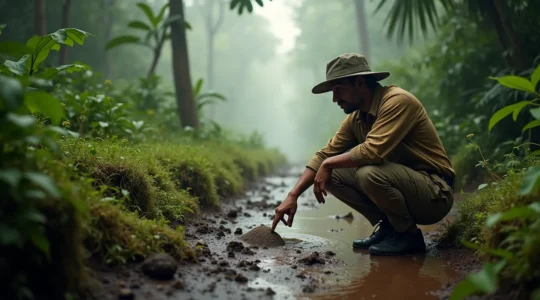
In summary: The frustration of not seeing wildlife stems from not knowing the silent language of the environment; a guide is your interpreter. Success isn’t about luck, but about decoding subtle “disturbance patterns”—bent leaves, faint scents, and broken spider webs….
Read more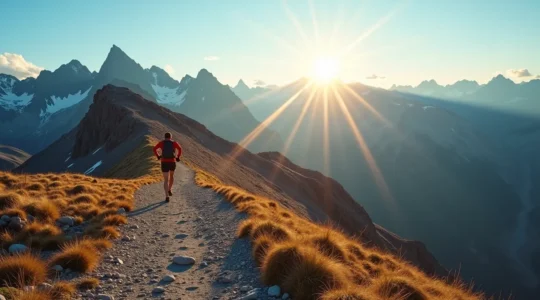
Contrary to the “tougher is better” myth, summer provides a logistically superior environment for effective altitude acclimatization and performance gains. Summer allows for precise control over key variables like hydration, training intensity (Zone 2), and nutrition. Winter introduces significant “physiological…
Read more
The key to unlocking the ocean’s stress-reducing power isn’t passive presence, but the deliberate application of science-backed environmental protocols. Auditory and visual stimuli from the coast actively synchronize brainwaves to quiet the brain’s “worry center” and lower stress hormones. Specific…
Read more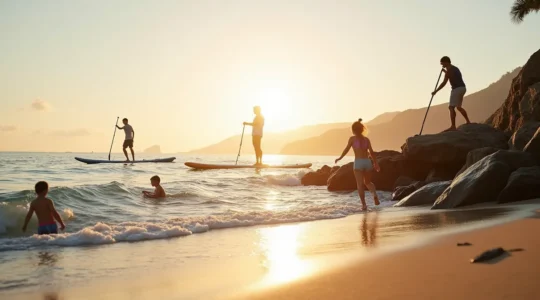
The key to a successful multi-generational vacation isn’t finding one ‘perfect’ destination, but engineering a trip with strategically designed zones for adventure, safety, and rest. Prioritize “adventure” over “sightseeing” to capture a teen’s interest and leverage their need for autonomy…
Read more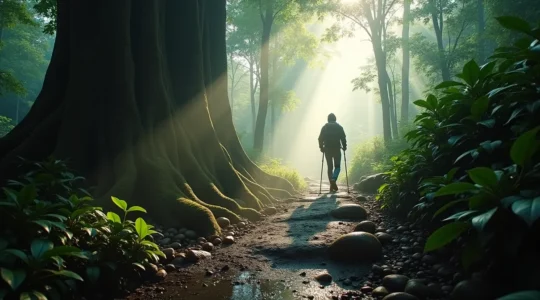
Your high-altitude hiking experience is a liability in the jungle, not an asset. The jungle’s extreme humidity neutralizes your body’s primary cooling mechanism (sweat evaporation), leading to faster dehydration and heat exhaustion than in a dry desert. Constant moisture turns…
Read more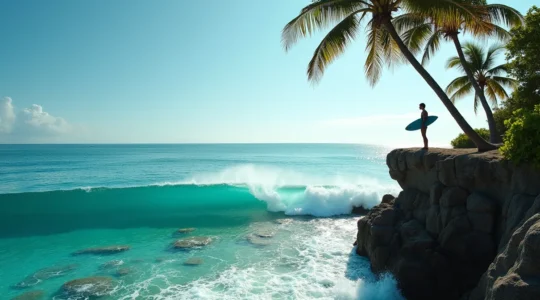
The true key to surfing legendary reef breaks isn’t aggression or gear; it’s mastering the subtle art of observation to navigate both physical dangers and social codes. Physical safety comes from “water literacy”—reading tide-sucked reefs, subtle water textures, and choosing…
Read more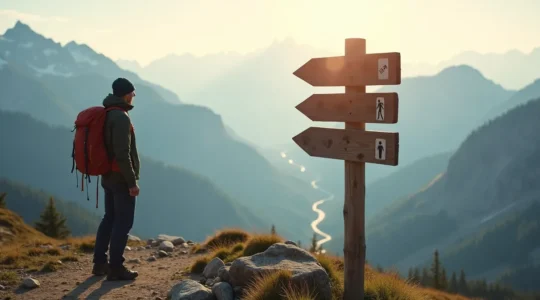
The success of your next adventure trip hinges not on the destination’s fame, but on a strategic matrix of skill, infrastructure, and logistics. Booking a “pro-level” trip as an intermediate often leads to frustration, not flow, due to a fundamental…
Read more
The secret to a rejuvenating active trip isn’t a packed itinerary; it’s a meticulously designed energy flow that transforms cultural exploration into a dynamic physical activity. Passive sightseeing creates decision fatigue, while integrated activity releases endorphins and reduces stress. Over-scheduling…
Read more