
The intersection of travel and wellness represents far more than spa vacations or yoga retreats. For athletes, active individuals, and performance-minded travelers, every journey presents a unique physiological challenge: maintaining training adaptations, managing recovery in unfamiliar environments, and sustaining nutritional discipline while navigating new cultures. The modern approach to travel wellness acknowledges that movement and rest are not opposites but complementary forces that, when properly sequenced, can actually enhance both the travel experience and your physical capabilities.
This convergence of mobility and vitality requires a systematic understanding of several interconnected domains: the science of recovery and physical restoration, the ethics of sustainable exploration, the portability of effective movement practices, the strategies for maintaining nutritional integrity, and the intentional use of travel as a tool for cognitive reset. Whether you’re an amateur athlete seeking to maintain conditioning during a business trip or an adventure traveler pursuing remote wilderness experiences, the principles remain consistent: strategic planning transforms potential setbacks into opportunities for adaptation.
Most active travelers focus obsessively on maintaining their training schedule while away from home, yet they overlook the biological reality that travel itself is a stressor. Between time zone disruption, altered sleep architecture, and the inflammatory effects of prolonged sitting during transit, your body enters a trip already operating at a recovery deficit. The key insight is recognizing that strategic recovery modalities can actually accelerate adaptation to both travel stress and training stimulus simultaneously.
The vascular pumping effect of alternating hot and cold water immersion creates a physiological response similar to active recovery, but without the additional muscular load. When executed properly—typically three to five cycles of three minutes hot followed by one minute cold—contrast therapy drives metabolic waste products out of tissues while delivering fresh oxygenated blood. This becomes particularly valuable after long-haul flights where lymphatic circulation has been compromised. Steam rooms offer respiratory benefits through humidified heat, while saunas provide dry heat that some research suggests may improve cardiovascular adaptation when used consistently.
Technologies once reserved for elite athletic facilities are increasingly available in wellness-focused hotels and recovery centers. Pneumatic compression systems use sequential inflation of leg sleeves to mechanically drive fluid back toward the heart, reducing edema and accelerating recovery. Percussion therapy devices deliver rapid mechanical stimulation to muscle tissue, useful for pre-activity preparation or addressing localized tension. The timing matters: percussion therapy works best before activity or during recovery days, while electrical muscle stimulation (EMS) has limited evidence for performance enhancement but may help maintain neuromuscular awareness during periods of reduced training volume.
The distinction between therapeutic massage and relaxation massage is crucial for active travelers. Pre-event sports massage should be lighter and focus on increasing tissue temperature and neural activation, while post-event work can target deeper structures. A common error is receiving deep tissue work within 48 hours of intense activity, which can actually increase inflammation. The role of hydration in tissue pliability cannot be overstated—dehydrated fascia responds poorly to manual therapy and increases injury risk. Always follow deep work with a flush protocol: light movement and additional hydration to help the body process released metabolic byproducts.
The wellness travel industry faces a fundamental paradox: many of the most restorative environments are also the most ecologically fragile. Remote wilderness areas, pristine coastal zones, and mountain ecosystems provide unparalleled opportunities for physical and mental reset, yet their accessibility threatens their preservation. Responsible wellness travel requires honest assessment of your environmental impact and intentional choices that minimize harm while supporting local communities.
Biodegradable soap sounds environmentally benign, but in wilderness water sources, even biodegradable products introduce phosphates and altered pH levels that disrupt aquatic ecosystems. True low-impact hygiene in backcountry settings means using water sources at least 200 feet from natural water bodies and relying on mechanical cleaning (sand, gravel) rather than chemical agents. The geotagging dilemma presents another challenge: sharing spectacular locations increases visitor pressure on fragile sites, yet completely gatekeeping information concentrates impact on already popular areas. The middle path involves descriptive sharing without precise coordinates, allowing motivated travelers to do their own research.
Hiring local guides rather than international adventure companies keeps revenue in regional economies and typically results in lower-impact practices since local guides have long-term stakes in preserving their environment. Group trekking versus solo travel represents a complex calculation: groups consolidate impact on trails and campsites but require more support infrastructure, while solo travelers theoretically have lighter individual footprints but may inadvertently create new trails or campsites. The determining factor is often competence—an experienced solo traveler following Leave No Trace principles may have less impact than a poorly managed group.
The outdoor industry’s constant innovation cycle encourages equipment replacement, yet the environmental cost of manufacturing new gear far exceeds the impact of using older equipment longer. Optimizing gear for longevity means investing in repairable designs, learning basic field repair skills, and resisting the upgrade temptation unless current equipment genuinely limits safety or capability. A well-maintained pack or tent can function effectively for a decade or more, dramatically reducing your lifetime consumption footprint.
Maintaining physical practice while traveling requires selecting modalities that deliver meaningful stimulus with minimal equipment and space. The most effective traveling practices emphasize foundational movement patterns, breath control, and time-efficient protocols that address the specific deficits created by travel: reduced hip mobility from sitting, thoracic stiffness from carrying luggage, and disrupted breathing patterns from stress and altitude changes.
For athletes, yoga’s value lies less in flexibility for its own sake and more in improving positional awareness and eccentric strength in extended ranges. Static holding in demanding positions develops connective tissue resilience that translates to injury resistance in sport-specific movements. Nasal breathing during practice—breathing exclusively through the nose rather than the mouth—improves CO2 tolerance, which enhances oxygen delivery efficiency during endurance activities. The choice between Hatha and Vinyasa styles depends on current training load: Hatha’s longer holds suit active recovery days, while Vinyasa’s flowing sequences can serve as low-impact cardiovascular work during deload periods.
The critical error many athletes make is forcing flexibility through pain, which triggers protective muscle guarding and actually reduces long-term range of motion. Effective flexibility work operates just inside the discomfort threshold, using breath and time to convince the nervous system that the extended position is safe. Props—blocks, straps, bolsters—are not compromises but performance tools that allow proper alignment while working toward fuller expressions of poses.
The “Powerhouse” concept in Pilates refers to the integrated function of deep abdominal muscles, pelvic floor, and lower back stabilizers that create the foundation for efficient movement. This functional core stability translates directly to improved economy in running, cycling, and swimming. Mat Pilates offers complete portability with no equipment beyond a towel, while Reformer work provides adjustable resistance that can expose movement asymmetries difficult to detect in bodyweight work alone. For beginners, mat work builds essential body awareness before progressing to apparatus.
Common errors include holding breath during exertion—which increases intra-abdominal pressure counterproductively—and allowing the pelvis to anteriorly tilt during exercises, which shifts load away from target muscles and toward the lower back. Achieving visible results requires consistency: three focused 30-minute sessions weekly typically produces measurable changes in core endurance within four to six weeks.
Nutritional compliance in unfamiliar food environments represents one of the greatest challenges for athletes who travel. Restaurant meals are engineered for palatability rather than performance, typically featuring excessive fats and refined carbohydrates while shortchanging protein and micronutrients. The solution requires both strategic ordering skills and psychological preparation for navigating social pressure around food choices.
Regardless of cuisine type, mentally divide your plate into zones: half for vegetables and fruits, one quarter for lean protein, one quarter for complex carbohydrates. This visual template works across cultural contexts and automatically controls portion sizes while ensuring micronutrient density. Hidden sugars lurk in sauces, dressings, and marinades—a typical teriyaki glaze might contain 15-20 grams of sugar per serving. Requesting sauces on the side allows you to control both total sugar and overall caloric load.
Custom ordering rather than default menu selections becomes essential: substitute steamed vegetables for fried sides, request grilled rather than sautéed proteins, ask for olive oil and vinegar instead of prepared dressings. The mistake of liquid calories—consuming significant energy through alcohol, sweetened beverages, or elaborate coffee drinks—can undermine otherwise disciplined eating. These drinks bypass satiety mechanisms and typically deliver refined sugars that spike insulin without providing nutritional value.
Carbohydrates function as oxygen efficiency fuel: while fats provide more total energy per gram, carbohydrate metabolism requires less oxygen to produce ATP, making them essential during high-intensity efforts. Female athletes face particular challenges with iron intake due to menstrual losses combined with the mechanical destruction of red blood cells during impact activities. Regular monitoring of ferritin levels—iron storage markers—becomes important for endurance athletes, particularly women.
The debate between real food and commercial gels for endurance activities depends on intensity and duration. For efforts under 90 minutes at moderate intensity, whole foods like dates, bananas, or rice balls provide adequate glucose along with minerals and fiber. Beyond two hours at higher intensities, engineered products offer faster absorption and precise electrolyte formulations. The error of under-salting during hot weather or long efforts leads to hyponatremia—dangerously low blood sodium—which can cause confusion, nausea, and in severe cases, seizures. Post-trip metabolic reset typically requires three to five days of structured eating to reestablish insulin sensitivity and gut microbiome balance after dietary disruption.
The cognitive benefits of travel extend beyond simple stress reduction. Novel environments and movement patterns engage the brain’s Default Mode Network—the neural circuitry active during rest and introspection—in ways that promote creative problem-solving and psychological insight. Short, active trips can serve as powerful interventions against professional burnout, but only when properly structured to prevent them from becoming simply relocated work.
Journaling techniques for cognitive offloading involve externalizing mental clutter onto paper, which research suggests reduces working memory load and improves executive function. The practice works best when unstructured: stream-of-consciousness writing for 10-15 minutes rather than formal diary entries. Solo travel versus socializing for recharge depends on your baseline personality and current depletion state. Introverts typically require more solitude for restoration, while extroverts may find group activities energizing. The trap of over-scheduling recovery trips—filling every hour with activities and experiences—defeats the purpose by simply replacing work stress with adventure stress.
Specific breathing patterns can rapidly down-regulate the nervous system by stimulating vagal tone. The physiological sigh—two sharp inhales through the nose followed by a long exhale through the mouth—quickly reduces activation. Extended exhale breathing, maintaining exhales 1.5 to 2 times longer than inhales, shifts autonomic balance toward parasympathetic dominance within minutes. These protocols prove particularly valuable for anxiety reduction during travel disruptions or before sleep in unfamiliar environments.
The dopamine fast mechanism involves temporarily removing high-stimulation activities—social media, processed foods, constant entertainment—to recalibrate reward pathways and increase sensitivity to subtle pleasures. Juice cleanses versus whole food detoxes represent different philosophies: juice protocols provide micronutrients while giving the digestive system minimal work, but they also create dramatic caloric deficits and blood sugar swings. Whole food approaches based on vegetables, fruits, and lean proteins support detoxification pathways without metabolic disruption. Withdrawal headaches during the first 48 hours typically result from caffeine elimination rather than “toxin release.” The mistake of re-entry bingeing—rapidly resuming all eliminated foods—can cause digestive distress and psychological guilt that undermines the entire experience. Sleep architecture often improves during structured detox periods as blood sugar stabilizes and inflammatory markers decrease.
Ultimately, travel wellness succeeds when it balances ambition with adaptation, recognizing that the goal is not maintaining perfect training and nutrition despite travel, but rather leveraging the unique opportunities that displacement provides. Strategic recovery, sustainable practices, portable movement modalities, nutritional flexibility, and intentional cognitive reset transform travel from an obstacle to performance into a catalyst for holistic development. The key is approaching each trip not as an interruption to your routine, but as a temporary recalibration that, properly executed, enhances your long-term trajectory.

Cryotherapy’s anti-inflammatory power is not in the cold itself, but in the precise protocol used to trigger specific hormonal and cellular responses. Timing is critical to avoid blunting the muscle growth signals triggered by exercise-induced inflammation. Session frequency, not just…
Read more
If you dread the pain of a deep-tissue massage despite needing the results, the issue may not be your pain tolerance but your hydration level. The intense discomfort you feel is often a direct signal from dehydrated connective tissue. This…
Read more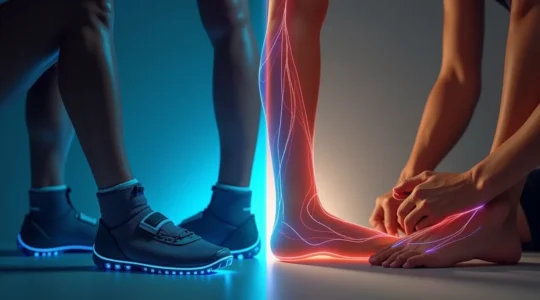
For rapid recovery, compression boots are demonstrably superior to massage for lactate clearance due to their systemic effect on venous return. Intermittent Pneumatic Compression (IPC) mimics the body’s natural muscle pump, moving metabolic waste centrally. Massage guns excel at localized,…
Read more
High altitude forces a critical metabolic shift from fat to carbohydrate oxidation due to oxygen scarcity, making your sea-level diet fundamentally ineffective. Your body’s ability to use fat for fuel is compromised, requiring a significant increase in carbohydrate intake to…
Read more
The key to surviving an all-inclusive buffet isn’t willpower; it’s a strategic game plan that turns temptation into opportunity. Mastering “Plate Architecture” by dedicating half your plate to greens first structurally limits high-calorie choices. Identifying “Culinary Decoys” like sugary dressings…
Read more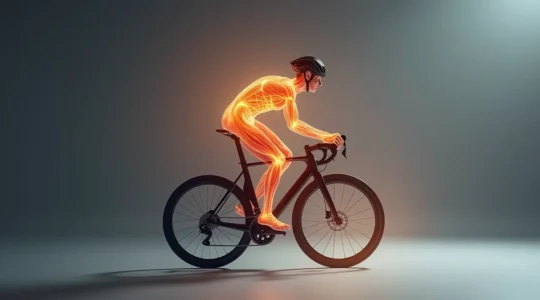
The persistent lower back pain you feel on the bike is not a flexibility problem; it’s a deep core motor control failure that generic stretching can make worse. Cycling creates specific imbalances where deep stabilizers (like the transverse abdominis) switch…
Read more
For the stiff runner, nagging injuries often stem from a misunderstanding of mobility. Endless dynamic stretching provides only temporary relief because it fails to address the deep, restrictive connective tissue (fascia). Hatha yoga offers a superior solution. By using long,…
Read more
A digital detox triggers a measurable reduction in the stress hormone cortisol by systematically interrupting the neuro-hormonal feedback loops of chronic digital stimulation. Sensory deprivation through boredom and reduced screen time allows the brain’s dopamine reward system to reset and…
Read more
Stop thinking of rest as lost time; it’s your most potent tool for cognitive enhancement. Passive rest (like watching TV) can keep your brain’s “worry center” active, while active rest (like a nature walk) demonstrably quiets it. Activities that feel…
Read more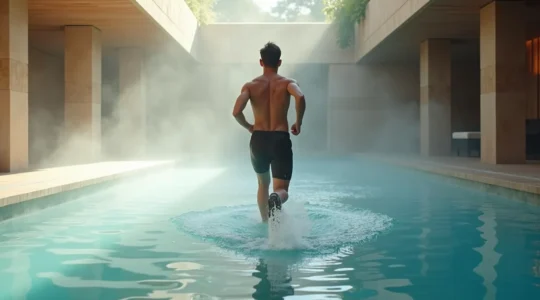
For an endurance athlete, post-marathon recovery is not about passive rest; it’s about active physiological management using precise thermal stress. Alternating hot and cold water creates a circulatory pump, flushing metabolic waste like lactate far more effectively than simple rest….
Read more